Combating Stubble Burning: How Farm Machinery Can Reduce Stubble Burning in India?


The method of removing paddy crop residues left after harvesting grains like paddy, wheat, etc., is known as “Stubble Burning”. Indian farmers burn the crop waste in tons of quantity, raising the serious problem of air pollution, which poses a grave risk to human health. This blog explores how farm machinery can help tackle stubble burning in India and promote sustainable farming techniques.
Table of Contents
- What is Stubble Burning?
- What are the Reasons behind Stubble Burning in India?
- What are the Effects of Stubble Burning in India?
- Air Pollution
- Nutritional Deficiencies
- Less Fertile Soil
- Effects on Health
- Effect on Aquatic Ecosystem
- What are the Alternatives to Stubble Burning in India?
- Which Farm Machinery is Used to Tackle Stubble Burning in India?
- What are the Government Initiatives to control Stubble Burning in India?
- Conclusion
What is Stubble Burning?
Stubble burning is the process of burning the leftover stalks of crops such as rice, wheat, and other cereal grains that remain after harvesting to clear the field for the next crop. In India, stubble burning has been identified as a serious problem since 2002. Around 87 MT of crop residue is burned in India annually. Farmers in Punjab, Haryana, Rajasthan, and Uttar Pradesh burn around 35 million tons of crop waste as a low-cost way to dispose of straw, reducing the time between harvesting and sowing for the first (summer) and second (winter) crops.
What are the Reasons behind Stubble Burning in India?
The practice of stubble burning has become more common in India over the past few decades. The following are the causes of stubble burning in India:
- An easy and quick option for farmers to dispose of waste and clear the farm for their next crop.
- Stubble burning is a less expensive alternative for farmers as implements like balers and straw reapers cost more and have issues of availability that hampers time and money of the farmers.
- It helps break the pest lifecycle, reducing the likelihood of pest attacks on the next crop and helping get rid of weeds.
What are the Effects of Stubble Burning in India?
The stubble burning procedure can be chronic. Air pollution, nutritional deficiencies, and less fertile soil are among the harmful effects of stubble burning on the environment, which deteriorates the air quality. Let’s have a look at the impact of Crop residue burning in more detail.
Air Pollution
Stubble burning is one of the major contributors to air pollution. Due to stubble burning, toxic pollutants like Carbon Dioxide (CO2), Carbon Monoxide (CO), and Methane (CH4) are emitted, which are very harmful to people and the environment. Greenhouse gases like CO2, CO, CH4 and N2O lead to global warming. Stubble burning pollution, like Methane emissions, causes a rise in the temperature, thus resulting in climate change. In India, stubble burning occurs mostly during the winter season (October-November), which makes the air less clean and worsens the Air Quality Index (AQI). This can be seen particularly in cities like the National Capital Region (NCR). Air pollution leads to serious health problems like asthma, dust allergy, skin and eye irritation, etc.
Nutritional Deficiencies
During stubble burning, various gases in different amounts are released into the atmosphere from crop residues along with other essential nutrients. These gases include nitrogen (90%), sulphur (50%), phosphorus (25%), potassium (20%), and many others. One ton of rice straw contains around 400 kg of carbon, 25 kg of potassium, 5.5 kg of nitrogen, 2.3 kg phosphorus, and 1.2 kg sulphur. Thus, burning of rice straws results in the release of these nutrients into the environment while the soil remains devoid of them.
Less Fertile Soil
Stubble burning has a negative effect on soil productivity as it burns all the nutrients of the soil after burning the husks. It transfers heat into the soil, which causes the soil to lose moisture, thus adversely affecting the soil. Organic matter plays a critical role in soil productivity and nutrient retention, which is destroyed through stubble burning and leads to soil degradation. It results in the depletion of nutrients such as nitrogen, phosphorus, and potassium (NPK). Agriculture is also affected by stubble burning as the pollutants directly or indirectly affect the soil, plants and sometimes lead to the death of the plant.
Effects on Health
Buring stubbles generate a substantial number of gases and particulate matter, such as carbon dioxide, carbon monoxide, nitrogen oxides, sulphur oxides, etc. Carbon dioxide and carbon monoxide weaken the ozone layer, and direct UV rays towards Earth can be harmful to the skin. Crop residue burning can result in several health risks, including asthma, bronchial asthma, acute respiratory infections (ARI), eye irritation, and many others. Different age groups face different health problems because of residue burning, such as children having an increased risk of ARIs due to their elevated respiratory rates.
Effect on Aquatic Ecosystem
Carbon dioxide is the primary gas responsible for the greenhouse effect among the different gases produced during stubble burning. Its concentration is increasing day by day. Since carbon dioxide is the most oxidised and thermodynamically stable form of carbon, converting it into other compounds is quite difficult. The only possible procedure to get rid of it is to collect and store it. Although oceans are the primary sink for carbon dioxide emissions, they enhance the oceans’ acidity, which further affects the aquatic ecosystems.
What are the Alternatives to Stubble Burning in India?
There are some alternatives that can be favorable for farmers to switch to in place of stubble burning, resulting in an environmentally friendly approach and helping them earn additional income. It can be used as:
- Cattle Feed (Fodder)
- Compost Manure
- Ethanol Production
- Biofuel and Biogas Production
- Handicraft Making
- Straw Addition in the Soil
Which Farm Machinery is Used to Tackle Stubble Burning in India?
Straw Reaper, Hay Rake, Baler, Happy Seeder, Super Seeder, Mulcher, etc. are farm machinery that help tackle stubble burning. Let’s understand in detail.
Straw Reaper
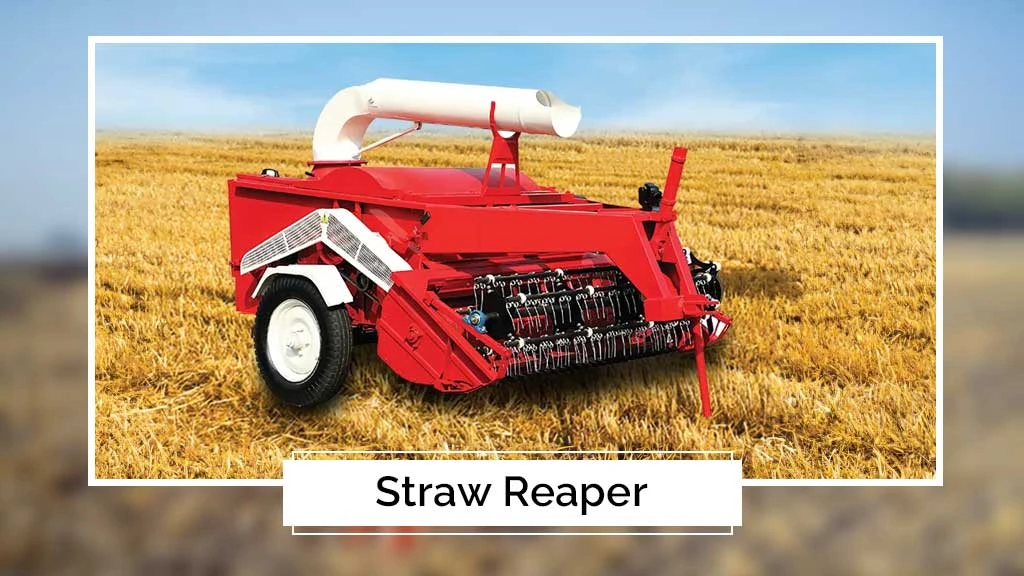
Straw reaper is a chopper machine used to cut and collect leftover wheat and paddy stubble. The leftovers are repurposed as fodder or raw materials for various uses, promoting sustainability and eliminating the need to burn stubble. With the use of straw, farmers earn additional income, and it helps them to participate in saving the environment.
Hay Rake and Baler
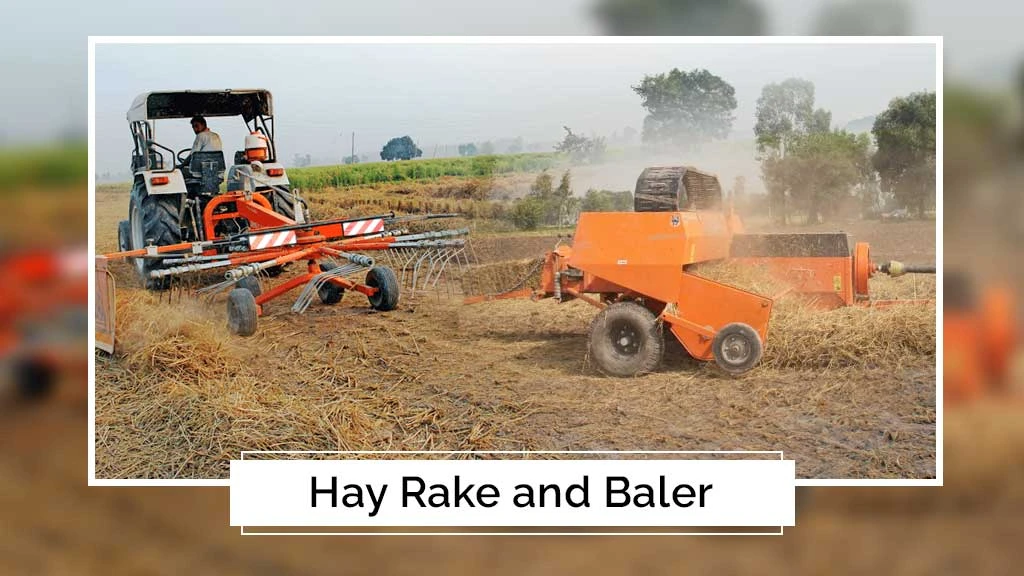
A Hay Rake is used to collect hay straws from windrows for later collection. A baler is used after the hay rake has made a row of crop residues left by a combine harvester. Thus, a baler rakes crop residues into bales that are easy to manage, store and transport.
Happy Seeder and Super Seeder
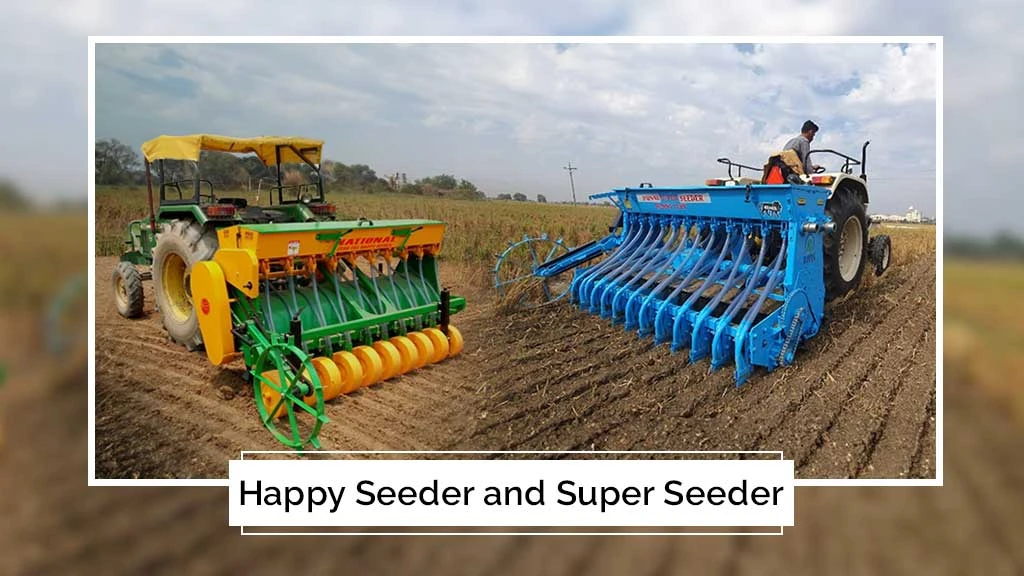
Happy Seeder is an implement used to sow seeds in the field with standing stubbles, while Super Seeder is a 3-in-1 solution used for tilling, sowing seeds, and covering seedbeds. It is best recommended for wheat sowing. It directly touches the root of the soil and sow’s seeds. It is more expensive than a happy seeder because of its complex mechanism and higher horsepower requirements. Both machineries eliminate the need for post-harvest burning of crop residues.
Zero Till
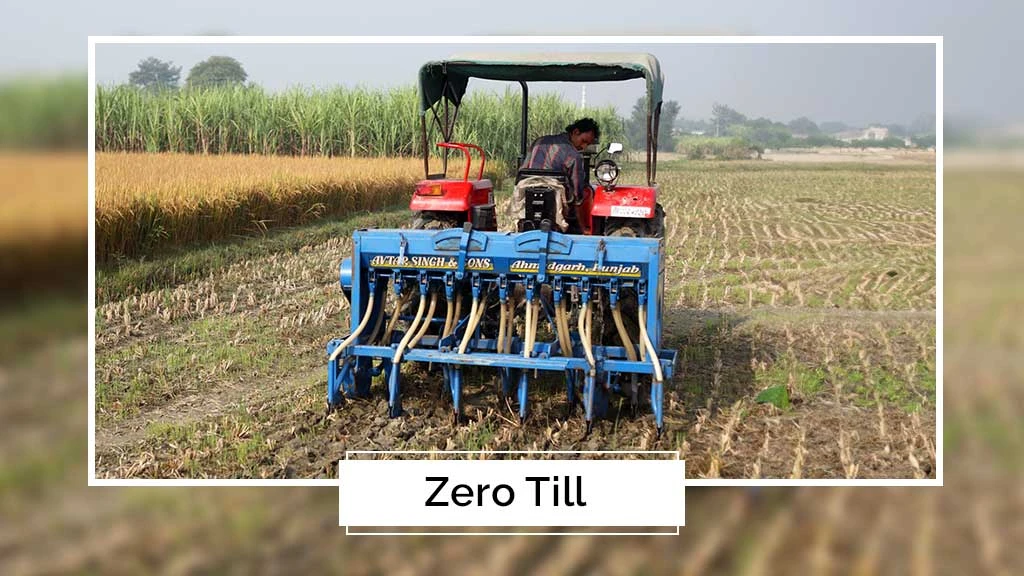
Zero Till is an important implement used to plant seeds directly into untilled soil or soil with minimal disturbance, without disturbing the soil through tillage. It can be done without burning the previous crop residue. Hence, it is beneficial in preventing stubble burning.
Mulcher
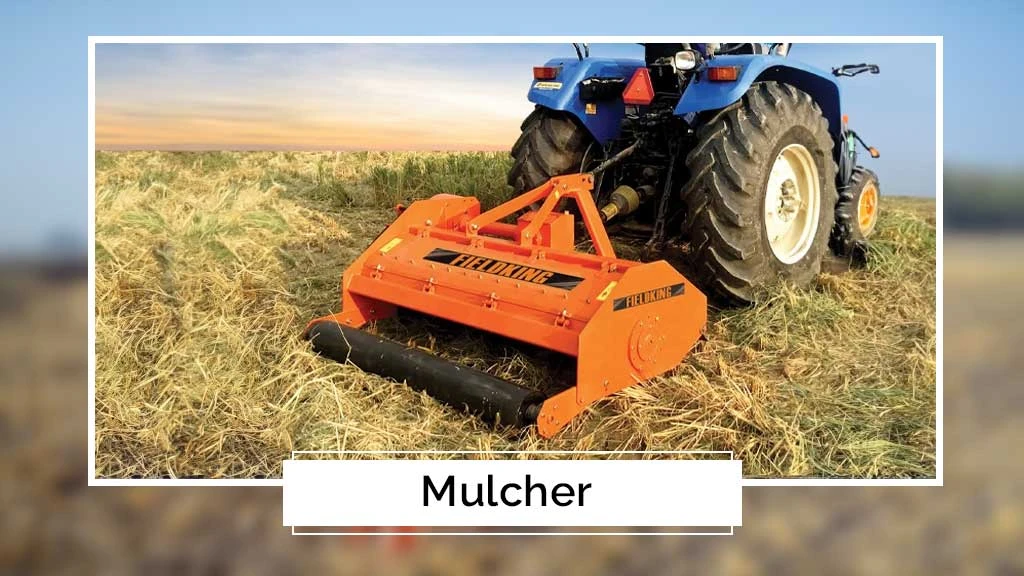
A Mulcher is an agricultural implement that helps to cut and shred stubble and convert it into mulch to be left over on the field. It contributes to the overall growth of the soil by enhancing soil health and fertility.
What are the Government Initiatives to Control Stubble Burning in India?
The following are the measures and initiatives taken by the government to control stubble burning in India:
- In 2023, the Central Government gave Rs. 3,333 crores under the GOBERDhan Scheme for the management of paddy straw.
- The State Governments of Punjab and Haryana were advised by the Commission for Air Quality Management (CAQM) in NCR and adjoining areas to mobilize the entire state administrative machinery to take all preventive and corrective measures for control of stubble burning.
- The commission is also monitoring the paddy stubble burning incidents and taking up with the State Governments of Punjab, Haryana and Uttar Pradesh daily.
- A microbial cocktail technology named “PUSA DECOMPOSER”, which is the Bio-Decomposer technique for converting crop stubble into compost, was developed by the Indian Agricultural Research Institute (IARI). These decomposers increase the soil fertility of the crops and are a good alternative to crop burning.
- In some cases, the government provides subsidies to farmers for investing in machinery like hay rakes, bailers, super seeders, straw reapers, etc.
Conclusion
Stubble burning is a serious problem which is destroying the environment, human health, and soil health. Air pollution causes health issues like respiratory problems, eye irritation, pulmonary diseases, etc.
To tackle stubble burning, farmers can use straw for different purposes, like livestock feed and fodder, biofuel and biogas production, mulching, ethanol production, paper industries, and more.
The government should take more initiatives to give subsidies and schemes to the farmers to help them buy farm implements so they can easily switch to alternatives to stubble burning.
Frequently Asked Questions On Combating Stubble Burning: How Farm Machinery Can Reduce Stubble Burning in India?
1. What is the burning of stubble?
Burning of stubble is defined as the intentional incineration of stubble by farmers after the harvesting of corp.
2. Is stubble burning still happening?
Yes, stubble burning is still happening in India, but in comparison to previous years (2019-2023) 2025 recorded less.
3. Is stubble burning banned in India?
Yes, stubble burning is a banned offence in India with fines ranging from Rs 2,500 to Rs 30,000. Under the regulatory schemes of the National Green Tribunal.
4. Why stubble burning done by farmers?
Farmers follow burning stubble to quickly prepare their land for the next crop. The process of burning the stubble is a less expensive alternative for them.
5. What are the alternatives to stop stubble burning?
The alternatives to stubble burning are to use farm machinery such as a baler, straw reaper, super seeder and zero till that ensure effective crop residue management.




Related Blogs