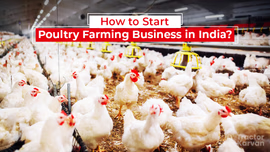
How to Start Cattle Farming in India: Types, Benefits and Current Status


Cattle farming It is the process of large-scale rearing of cattle for food and various agricultural purposes. It has been practiced in India since ancient times. Cattles were used in place of tractors to plough the field. In this blog, we will explore the complete process of starting a cattle farming business and its importance and types.
Table of Contents
- What is Cattle Farming?
- What is the Current Status of Cattle Farming in India?
- What are the Types of Cattle Farming in India?
- How do you Start a Cattle Farm Business in India?
- What are the Benefits of Cattle Farming in India?
What is Cattle Farming?
Cattle farming in India relates to the rearing and management of two types of animals- one for food, such as milk and meat, etc. and the other for labour operations, such as irrigation, ploughing, etc. It features both dairy and draught cattle livestock, such as cows, buffaloes, goats, sheep, pigs, asses, horses, mules, and camels.
Cattle farming in India is mainly practiced for two purposes:
- Dairy: It includes rearing animals for milk extraction. Dairy farms are typically semi-intensive or intensive and use a variety of cattle breeds, including cows, buffaloes, goats, and others.
- Draught: This includes raising animals for their physical strength and ability to perform various agricultural operations and transportation tasks, such as carting, irrigation, etc. Cows, horses, buffaloes, and others are some examples of draught breeds.
What is the Current Status of Cattle Farming in India?
The current status of cattle farming in India is given below points:
- According to the 20th Census of Livestock, the total livestock population is 536.76 million in the country, showing an increase of 4.8% over the Livestock Census 2012.
- The total bovine population (Cattle, Buffalo, Mithun and Yak) was 303.76 million in 2019, which is an increase of 1.3% when compared to the last census.
- The total number of cattle in the country was 193.46 million in 2019, which is an increase of 1.3% compared to the previous census.
What are the Types of Cattle Farming in India?
There are four types of cattle farming practised in India: intensive, semi-intensive, extensive, and nomadic livestock farming.
Intensive Cattle Farming
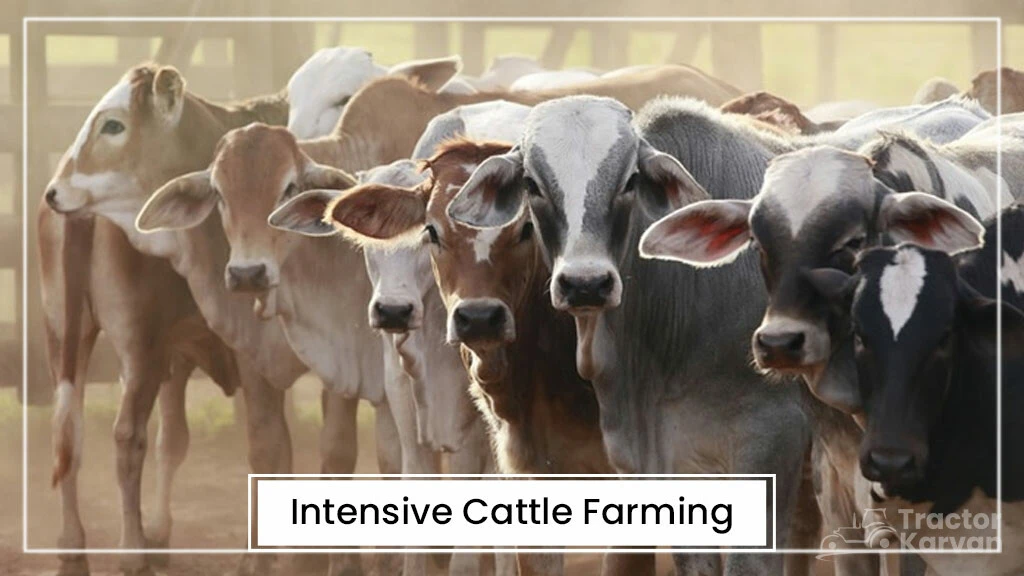
Intensive cattle farming, also known as concentrated or industrial cattle farming, is characterised by a high stocking density of livestock and a high reliance on purchased feed and supplements. It is mostly practised in urban and pre-urban areas where land is limited and involves rearing a number of animals in small spaces for maximum production efficiency. It is practised to fulfil the high demand for dairy and beef products.
Semi-Intensive Cattle Farming
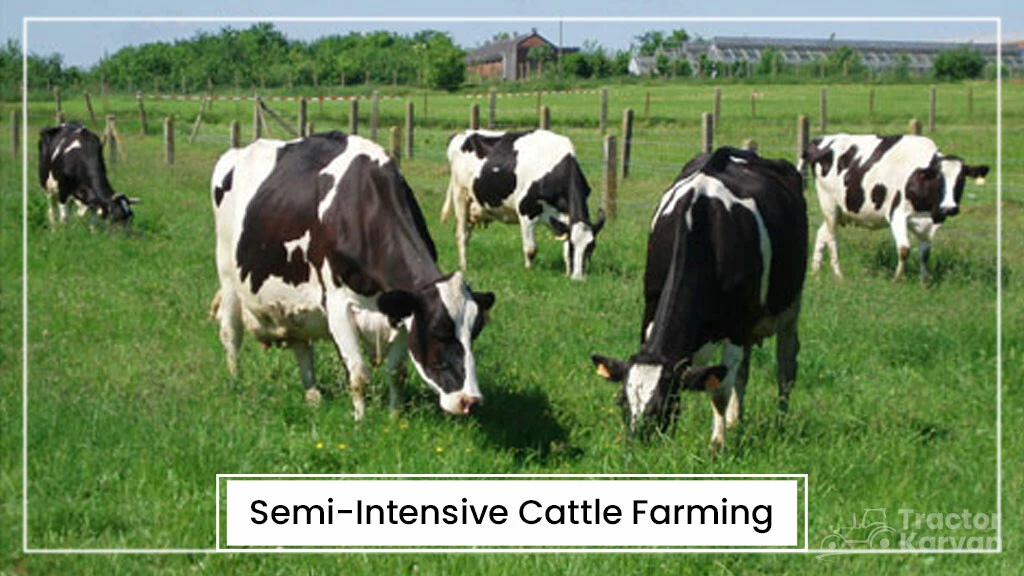
Semi-intensive cattle farming is a combination of intensive and extensive farming, and it is the most common type of cattle farming practised in India. In this type of farming, cattle are housed and fed but are allowed to graze within the farm in an enclosed area. Thus, the cattle raised in this farming are a mixture of controlled feeding and natural feeding.
Extensive Cattle Farming
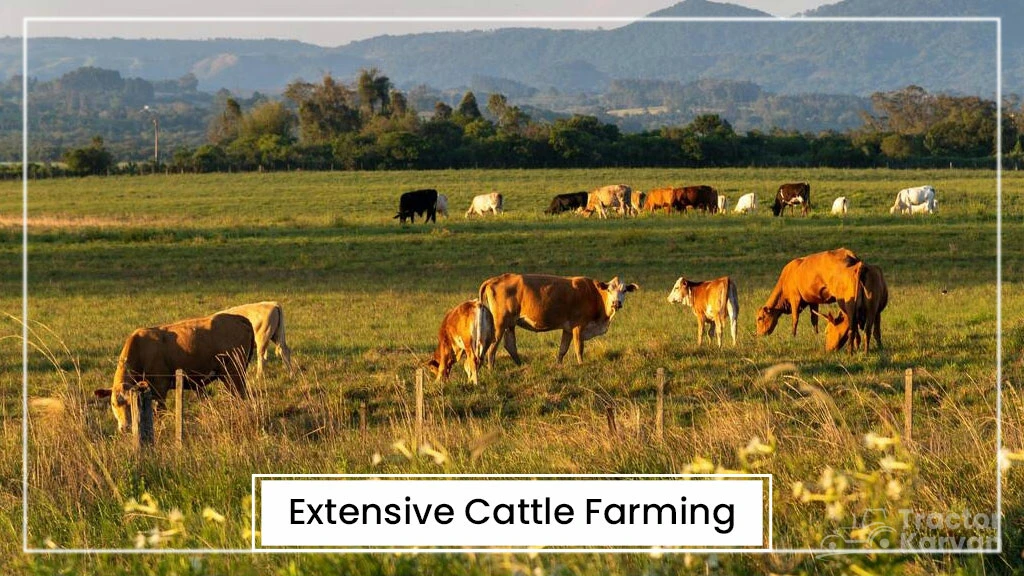
Extensive cattle farming, also known as traditional or extensive grazing, is characterised by a low stocking density of livestock in a large area with reliance on natural grazing. It is mostly practised in rural areas with large tracts of land. This farming practice involves minimum human intervention for feeding as cattle are self-sufficient and obtain nutrition from natural forage.
Nomadic Livestock Farming
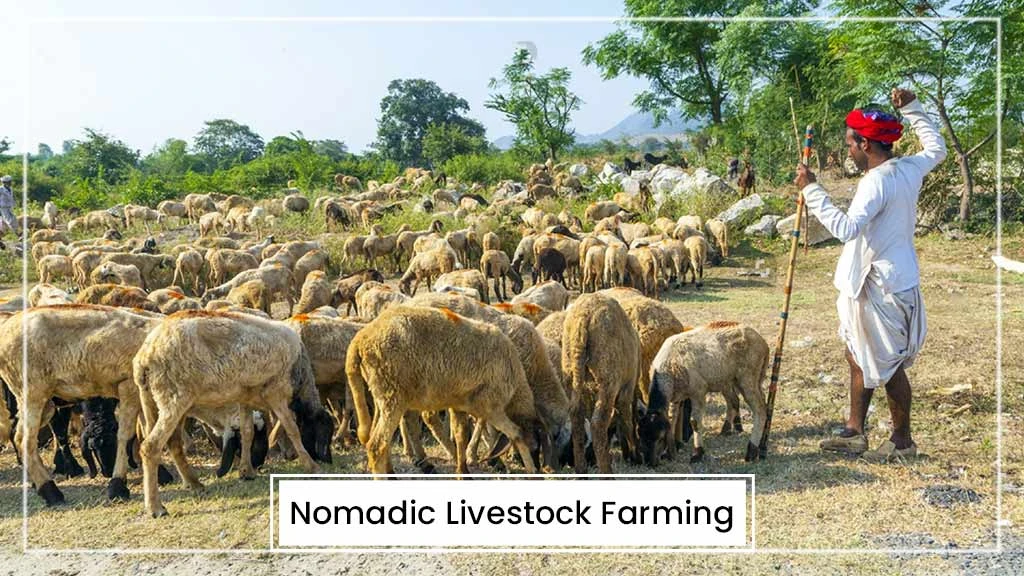
In this method, the animals are transported to different lands to consume different food and resources. This farming practice is also termed semi-nomadic or nomadic farming.
How do you Start a Cattle Farm Business in India?
Cattle farming is a good source of income in India. You can generate a good profit by starting a cattle farm business with a proper and well-researched business plan. Before you start the cattle farm business, you need the following things:
- A sizable land area to shelter the livestock.
- Select a cattle bread of your choice.
- The land area should be covered with a boundary wall or fence to protect the animals.
- Troughs to feed the cattle.
- All the necessary dairy equipment and a tractor, if possible (in case of large-scale cattle farming).
Once you have all these things, you can follow the step-by-step guide below:
Make a Business Plan
You need to make a business plan that covers the cost of establishing the cattle farm, selecting the cattle breed, cattle costs, staff salaries, and cattle maintenance costs, which include food, pasture management, and other overhead costs. Also, you can plan for insurance for your cattle, as it will help you tackle unforeseen situations in the future and reduce the risk of unwanted loss.
Location Requirement for A Cattle Farm
The location of your farm should have facilities like fodder, transportation, availability of water and electricity.
Shelter for the Cattle
Building a shelter for the cattle is an important factor as it keeps the cattle safe. The farm should have proper ventilation, a proper floor slope, water connections to keep the cattle hydrated, and a partial shed of trees to create a cooler environment for the cattle. In the case of a dairy farm, you need to build stanchions with parlours for milking purposes. On the other hand, beef cattle need barns. You also need to develop fencing or boundaries for your farm. Moreover, stands need to be built to hold cows and other animals. Beef cattle are low-maintenance and require shelter.
Purchase the required Farm Implements and Dairy Equipment
Cattle farming does not depend solely on man labour; it needs machine power to perform some particular operations. You need to purchase the best farm implements for livestock sector along with dairy equipment, like milking machines and more.
Purchasing and Taking Care of Your Cattle
The next step is to purchase the selected breed from any livestock near your location. You can also search online for places to buy them. After that, you need to ensure the health and hygiene of your cattle. You need to provide a lot of food and care to keep your cattle fit and fine. The following practices may help in keeping the cattle healthy:
- Regular inspection by a nutritionist or veterinarian is required to ensure that the animals are healthy.
- Create a waste management place for cattle dung. It will prevent the development of an unhealthy environment for the cattle.
- Maintaining a record of your cattle, including details of sales, purchase, finances, vaccinations, calving, and breeding, is a necessary part of your operation.
What are the Benefits of Cattle Farming in India?
Cattle Farming is an essential aspect of animal husbandry. The advantages of cattle farming are:
- It is a source of livelihood for millions of rural households and contributes significantly to the economic well-being of farming communities.
- It acts as a safety net during crop failures and unpredictable weather conditions.
- It ensures a consistent supply of nutrient-rich products such as milk, ghee, curd, etc., contributing to the nation's food security and nutritional requirements.
- Draught cattle assist in ploughing fields, transporting crops, and powering traditional irrigation methods. Without this, many small-scale farmers would struggle to maintain their livelihoods.
- Cattle farming is labour-intensive, offering employment opportunities in rural areas where jobs can be scarce.
- It is an excellent source of organic manure and fodder, thus reducing the use of chemical fertiliser and promoting a sustainable agricultural system.
Frequently Asked Questions On How to Start Cattle Farming in India: Types, Benefits and Current Status
1. What is cattle farming?
Cattle farming is the rearing and management of two types of animals- one for food and the other for labour operations.
2. What are the advantages of cattle farming?
The advantages of cattle farming include the production of essential products that contribute to the nation’s food security and agricultural sustainability, support rural livelihoods, minimize the use of chemical fertilizers, etc.
3. Is cattle farming profitable?
Yes, cattle farming is a profitable farming method in India as it provides a good income to many rural people.
4. What is the importance of cattle farming?
Cattle farming is essential in India because it provides food, employment, and nutrition, and supports sustainable agriculture.




Related Blogs