The Future of the Trucking Industry with AI


In this rapidly evolving world, AI is accelerating in the trucking industry. Recently, many new features have been introduced in trucks, raising driver expectations and advancing a sustainable future. In this blog, you can learn more about the future of trucking with AI, including its new features and benefits:
Table of Contents
- The Rise of the AI Trucking Industry
- Benefits of AI in the trucking Industry
- Future of AI-Powered Trucking Industry
The Rise of the AI Trucking Industry
AI is driving a new generation of innovation in the trucking industry, and India is rapidly adopting this advanced technology. Now, modern trucks collect real-time data from engines, brakes, tyres, cameras, and a GPS System. Based on this data, trucks can respond quickly to road conditions, prevent breakdowns, and enhance driver safety. As a result, trucks are becoming smarter, making everyday operations smoother and more reliable.
So, let’s look at some newly launched AI technologies that are advancing the trucking industry.
Gear Shift Advisor
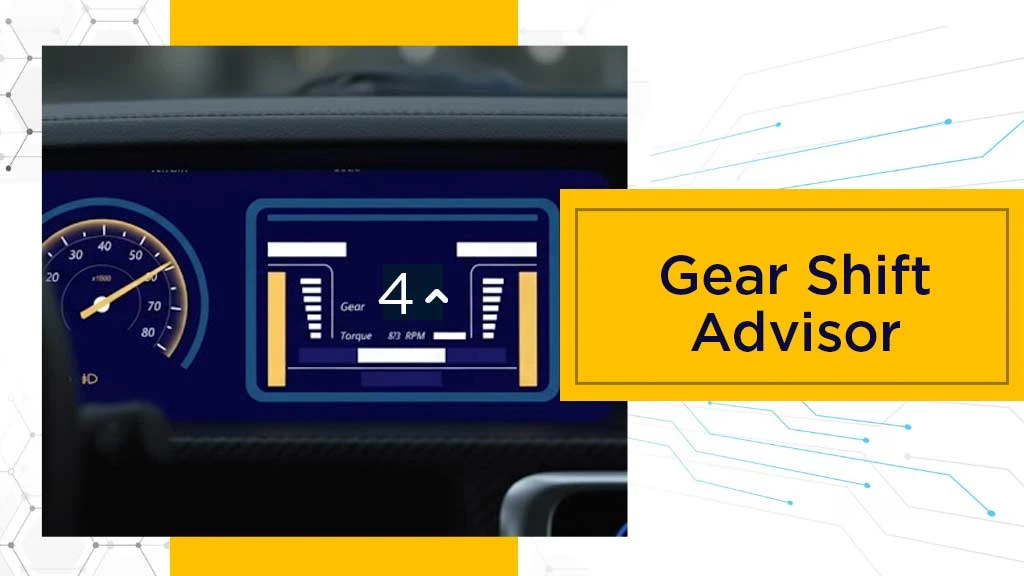
This new AI dashboard technology indicates you when to shift gears. This feature in trucks helps to improve fuel economy, increase engine longevity, and enhance clutch life. It is also integrated with AMTs (automated manual transmissions), reducing engine strain. It also adapts driving patterns based on terrain and driver behaviour, making it more effective over time than static shift maps.
Advanced Driver Assistance System (ADAS)
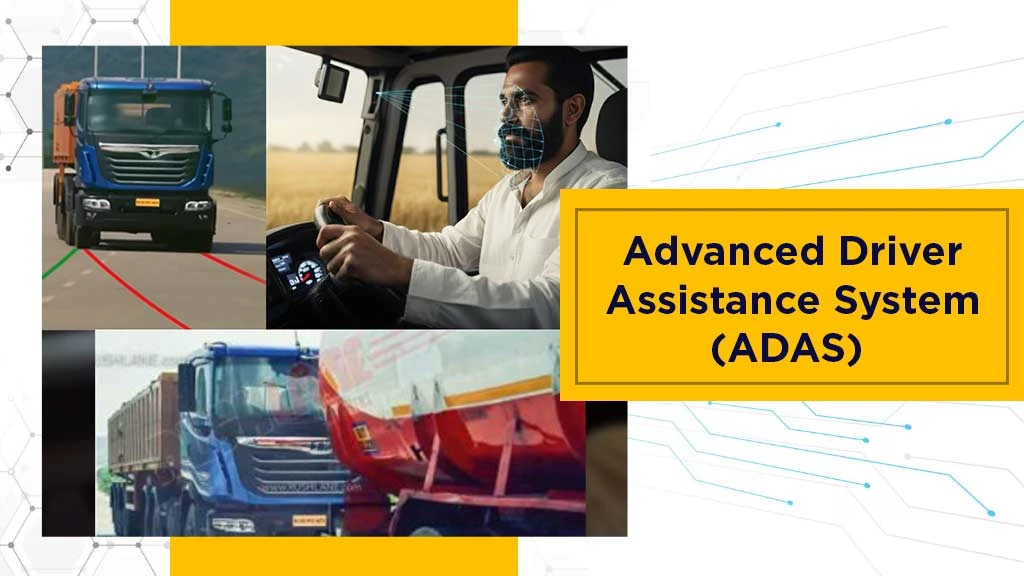
ADAS is a new technology that improves efficiency and road safety by reducing human error. The key components of ADAS include cameras, radars, LiDAR, ultrasound sensors, controllers, actuators, and a collision mitigation system. Moreover, the ADAS has advanced safety features such as, electronic stability control, anti-lock brakes, driver state monitoring, lane departure warnings, and automatic emergency braking. These features make roads much safer, especially for commercial vehicles, where heavier weight can limit the protection offered by passive safety features.
Automatic Traction Control (ATC)
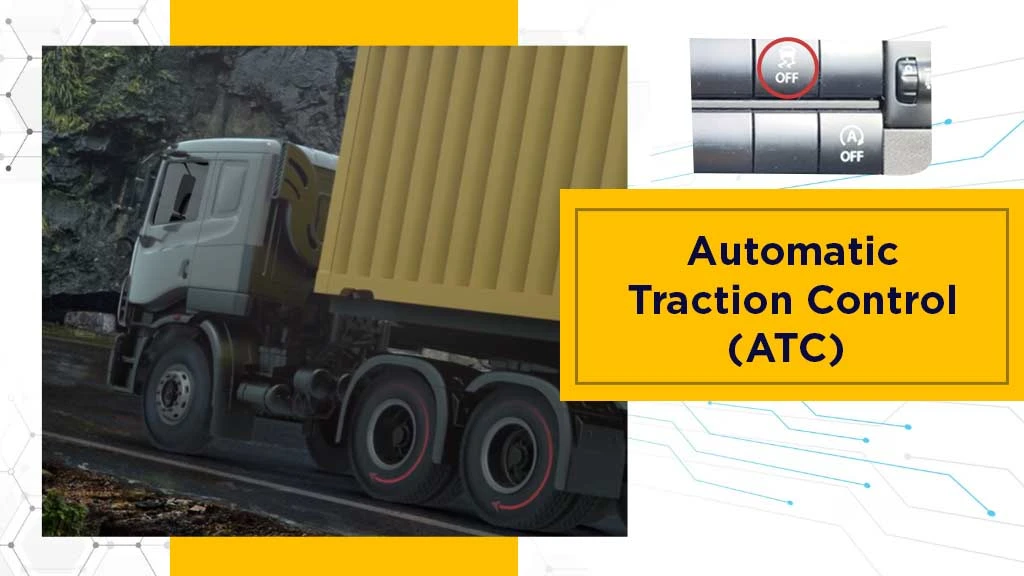
The Automatic Traction Control helps the wheels maintain grip on slippery roads. When the wheel is spinning too much, ATC uses the main brake on the spinning wheel so that power can move through the axle to the wheel with grip. Hence, if both sets of drive axle wheels are spinning, then ATC reduces engine torque until traction is sensed. This technology prevents unwanted skidding and enhances driver safety in challenging conditions.
Tyre Pressure Monitoring System (TPMS)
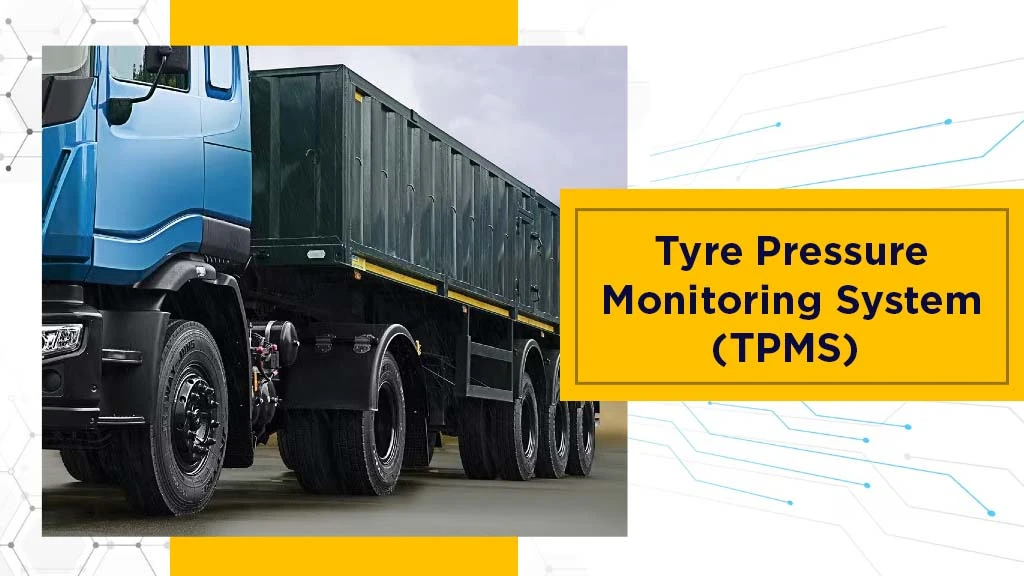
Another technology is TPMS (Tyre Pressure Monitoring System), which uses a small electric sensor to monitor tyre pressure. It displays a dashboard warning if tyre pressure rises above or falls below the recommended threshold. In TPMS, there are two types of pressure monitoring systems: direct and indirect, which work differently.
Route Optimization
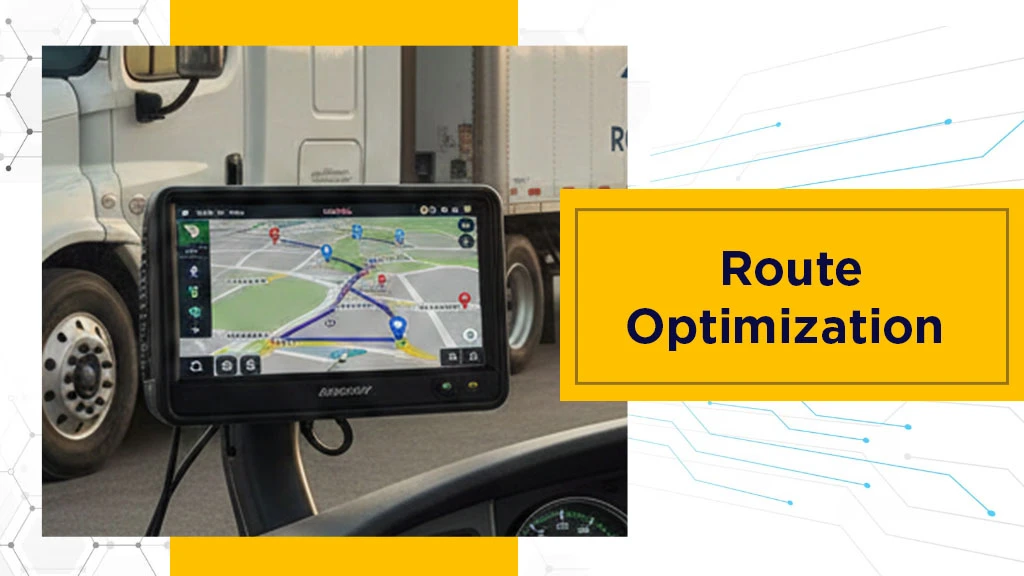
Another new AI feature in the truck is route optimization. This dynamic, data-driven technology helps you reach your destination without wasting time or extra mileage. It also adjusts in real time based on traffic and weather to avoid unnecessary effort. The system continually learns from historical data to improve route efficiency over time.
Benefits of AI in the Trucking Industry
As we all know, we live in a modern world where people continue to explore the potential of artificial intelligence. Moreover, the trucking industry is moving towards AI to make upcoming trucks more advanced, with many features. So, let's check some benefits of AI in the trucking industry:
Fuel efficiency
AI in trucks helps you manage fuel efficiency through features such as dynamic route optimisation, driver behaviour coaching, and predictive maintenance. It reduces fuel consumption through the fleet management system.
Workforce revolution
In the context of the workforce revolution, AI is changing the nature of trucking jobs. Along with your well-being and safety, it enhances driver's well-being and safety while reducing administrative workload through automation. With AI, you can make faster assignment decisions through automated dispatch recommendations. Additionally, with AI document extraction, you can save time per load.
Smart Maintenance: Fixing Problems Before They Happen
In this busy world, everyone needs smart maintenance, and AI delivers it. Artificial intelligence in trucks helps you maintain your vehicle and alerts you to any issues that need to be fixed at the earliest.
If you want your vehicle to have a longer service life, then AI-analysed engine data will inform you about it. It checks the engine temperature, pressure, braking system, etc., to maintain the engine’s health. Additionally, predictive maintenance can reduce unplanned downtime and costs.
Smart Scheduling
Apart from engine health, AI helps you to have smart scheduling. You can use AI to plan loads. In India, newly launched trucks come with routing software, so you can recalculate routes in real time to avoid traffic jams or weather disruptions.
Smart Drive Support
Artificial intelligence in the trucking industry is making driving very easy. You can drive for a long duration on a long route without fatigue. Now, the trucks are coming with new features like cruise control, lane centring, and improved braking.
Future of AI-Powered Trucking Industry
Ever wonder, “What if the trucks could drive smartly?” Well, now it is possible. AI can drive your truck smartly. You can have semi-autonomous trucks that can handle long-haul and highway routes. This advanced technology helps you to maintain speeds and avoid sudden braking and complex traffic scenarios.
As you know, artificial intelligence is increasing freight mobility by making trucking operations smarter. AI analyses massive datasets to support predictive decisions that ensure safety and maintenance and avoid unwanted delays.
We know there are limitations to AI, but we can’t deny that AI is the future of the trucking industry.




Related Blogs


